
Cotton Grows in Color
So why is $11 million going toward building it in a lab?


The Bezos Earth Fund just committed $34 million across three universities and The Cotton Foundation to accelerate sustainable materials research — gene-edited cotton, bacterial fiber, biodegradable spider-silk alternatives. It’s a significant signal that institutional money is starting to move towards bringing sustainable production practices to scale.
But as Veronica Lopez Valenzuela, CEO & Founder of FiberWay notes, some of this research isn’t new. “Colored cotton already existed and is native to Mexico, Peru, and other parts of Latin America.”
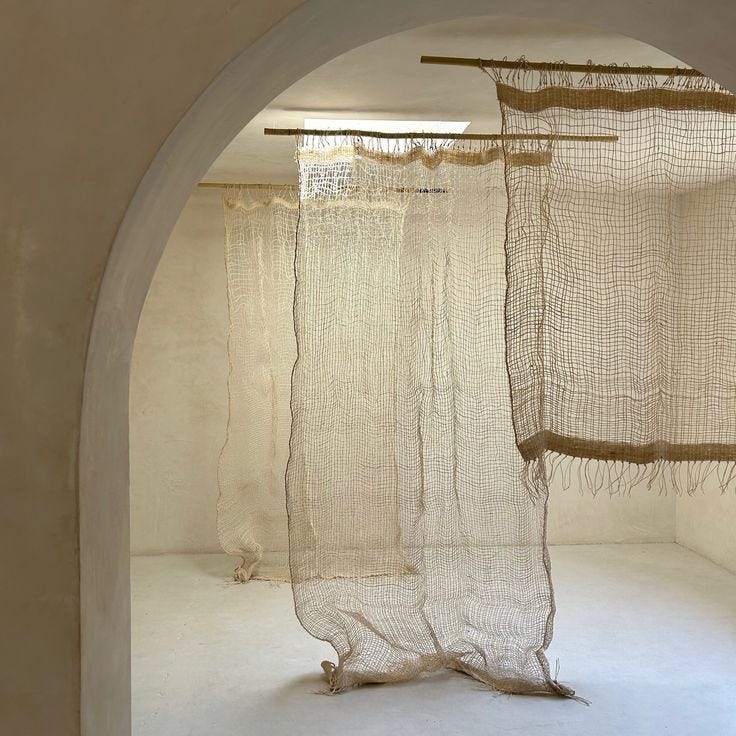
Mexico is the country of origin of Gossypium hirsutum, the species that accounts for 95% of global cotton production. The genetic diversity that makes that species adaptable, resilient, and useful to modern agriculture originated in the same regions where naturally colored cotton has been grown for centuries. Organizations like the Native Colored Cotton Rescue Project are working to conserve those native seeds in their site of origin as active protection of a living genetic commons that is increasingly at risk.
More than 90% of cotton now grown in India and the United States is genetically modified, with seed stock owned by multinational corporations. The structure is worth understanding: GMO cotton seeds are non-reproducible, which means farmers must purchase them every season rather than saving and replanting. Crops frequently require more chemical input than originally promised. Margins shrink as seed prices climb. The farmer loses autonomy, biodiversity contracts, and the supply chain becomes increasingly dependent on a small number of corporate actors controlling access to the most basic input in the industry.
That’s the system naturally colored cotton exists outside of and part of why seed conservation work in Mexico is inseparable from the future of sustainable fiber.
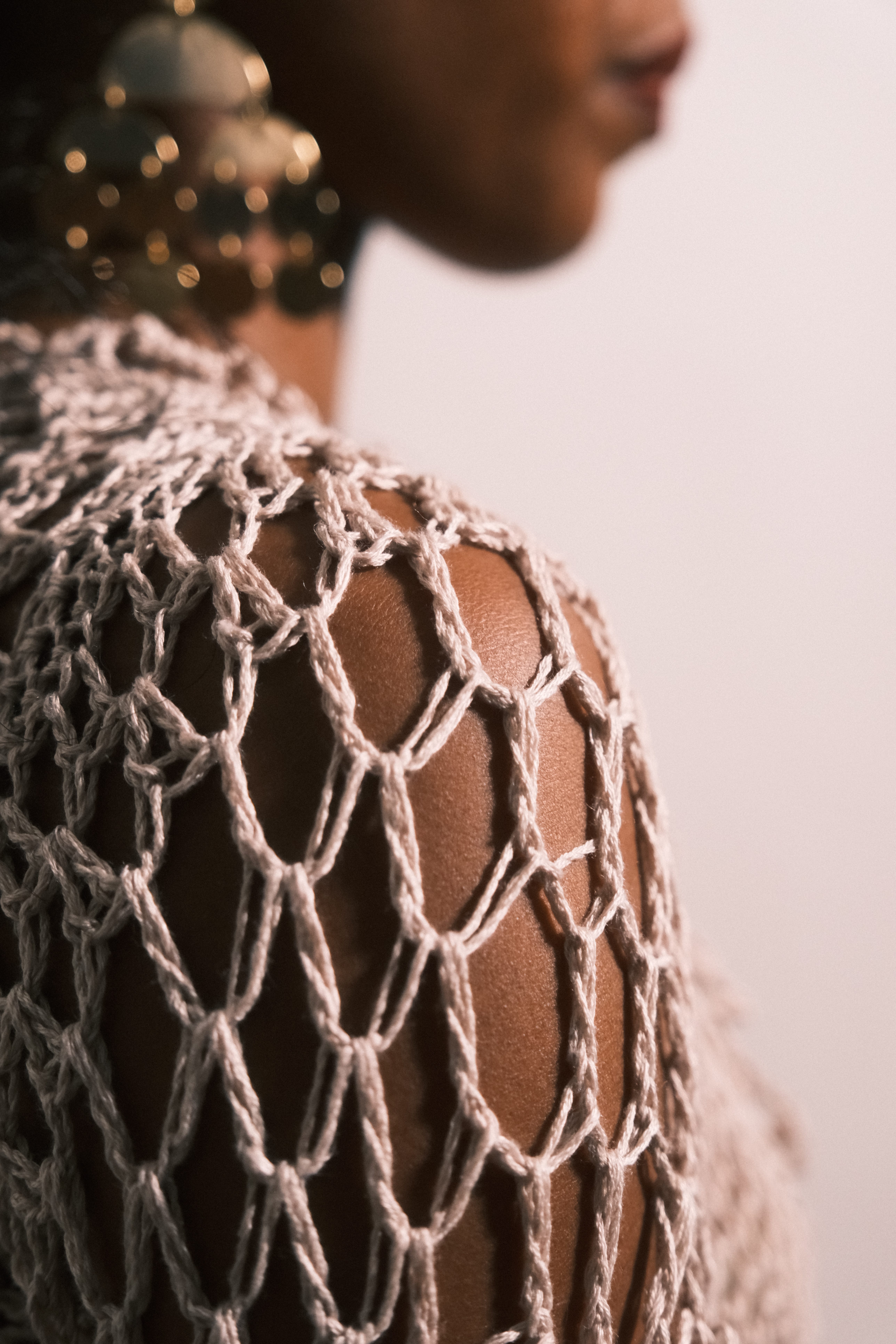
For most yarn, color comes late and at a high cost. After fiber is harvested and processed, it enters a dyeing stage that requires significant water volume, heat energy, and chemical fixatives to make color stable through repeated washing. Depending on the colorway, bleaching precedes that, which is another resource-intensive step before dye ever touches the fiber.
Dye lot variation exists because no two dye baths are identical: water chemistry shifts, temperature fluctuates, and fiber absorbs inconsistently. Rather than working around that structural unpredictability with lot numbers and winding minimums, naturally colored cotton reframes that as a strength. The customer who has spent years frustrated by dye lot mismatches could also find genuine beauty in a skein that reflects its origin. The fiber’s natural range becomes part of the object’s story rather than a quality control problem to apologize for.
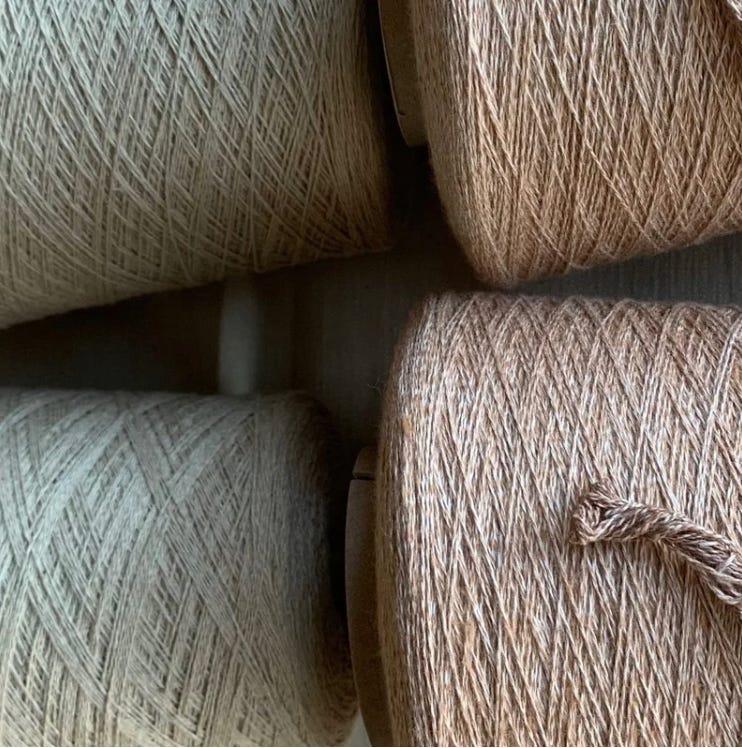
Naturally colored cotton costs more than conventionally dyed cotton right now, but earns its price in ways that cheaper alternatives don’t. Because color is structural rather than applied, it doesn’t fade — vibrancy deepens over the first several washes before settling near the original tone around the 100-wash mark. A garment that looks better at a hundred washes than it did at ten is a fundamentally different value proposition than fast, cheap, and chemically processed.
Skipping the bleaching, dyeing, and fixative chemistry also means skipping the residual chemical exposure that conventionally processed cotton carries into the finished product. For sensitive skin, that’s relevant. For babies, it’s significant.
The shift will be about reorienting around a different set of values — environmental lifecycle over initial cost, story over uniformity, connection to origin over the frictionless anonymity of mass production.
Clemson University is now working on gene-edited colored cotton varieties with $11 million in Bezos Earth Fund backing, which signals where the research is maturing and what fiber could become.
Naturally colored cotton is a reminder that some of what it needs to become already exists — grown, harvested, and waiting for the opportunity to scale seriously.
This is so cool as a textile girl I didnt know cotton came "colored" naturally sometimes thts very cool